
The Rise of Aroostook’s Potato Industry
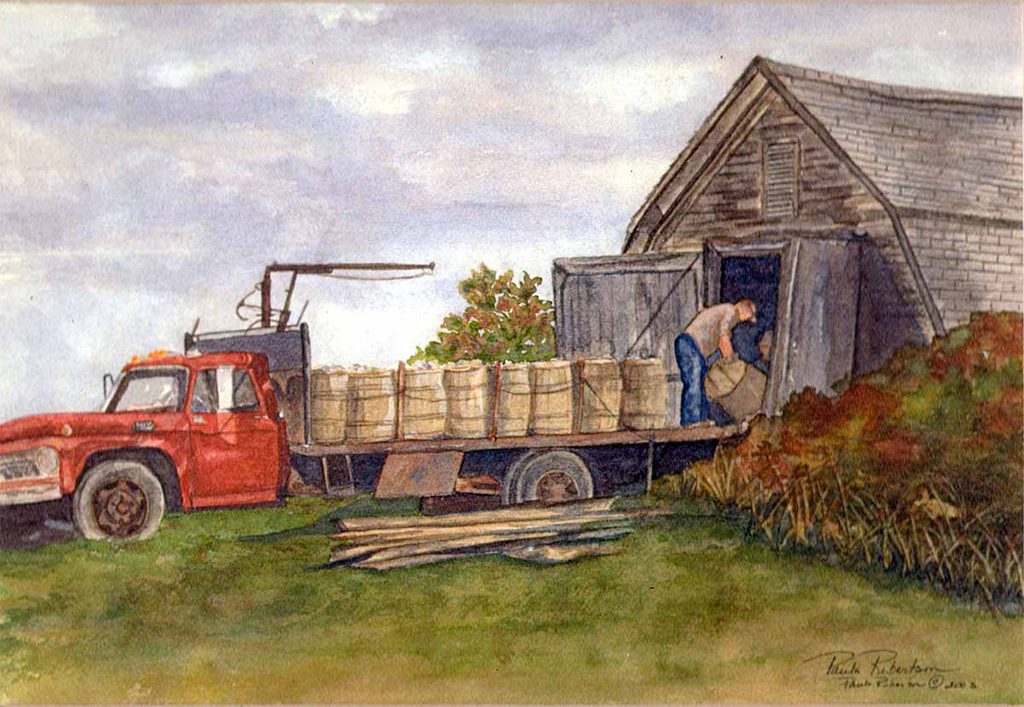
Potato farming in Aroostook County emerged in the early 19th century and quickly became the defining agricultural industry of the region. The combination of fertile glacial soils, a cool climate, and, later, the arrival of railroads transformed Aroostook into what was often called “The Potato Empire of the East.”
The first known potato planting in Aroostook County occurred in June 1807, when Joseph Houlton introduced the crop. Between 1820 and 1840, potato acreage expanded dramatically across Maine, surprising agricultural observers. By 1840, Maine produced more than 3,636,400 barrels.
The arrival of the railroads was a pivotal moment. Agricultural leaders had predicted that rail transportation would make Aroostook the best potato-growing region in Maine. By 1880, Aroostook County produced 1,018,192 barrels of potatoes, about 28% of Maine’s total.
Potatoes Transform Aroostook County
The growth and demand for the potato crop also stimulated potato starch manufacturing, which benefited from Aroostook’s ideal soils. By the late 19th century, Aroostook County was firmly established as Maine’s potato powerhouse.
Aroostook County produced more than 80% of Maine’s potato crop for more than 50 years. At times between 1920 and 1958, Aroostook alone grew more potatoes than any other U.S. state except Maine itself.
Potato farming shaped Aroostook County’s identity and settlement patterns and fueled the economies of small towns with strong cultural traditions.
More Than an Agricultural Harvest
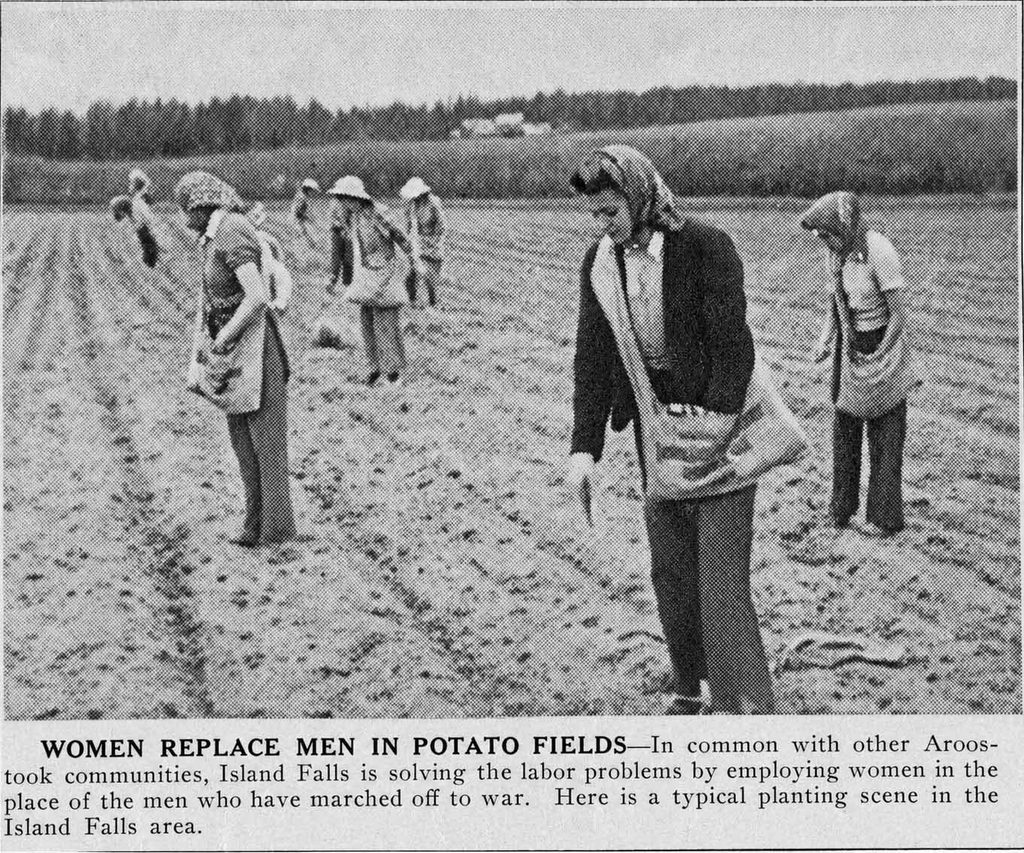
The social history of potato harvest traditions and potato houses in Aroostook County represents one of the most distinctive agricultural cultures in the United States.
The harvest was not simply an economic event. It shaped community rhythms, family life, architecture, and even the school calendar.
The potato harvest evolved into a county-wide cultural institution involving entire families, migrant labor, school closures, and specialized storage buildings known as potato houses. These traditions reflected the region’s dependence on potatoes as its economic backbone and shaped daily life well into the 20th century.
Schools Closed for Potato Harvest
For decades, schools closed for “Potato Harvest” so children could help on family farms. The tradition became a defining feature of childhood in Aroostook County.
Families, neighbors, and hired crews worked long days together, often forming intergenerational teams. The work created strong social bonds and shared stories that lasted for generations.
Picking Potatoes by the Barrel
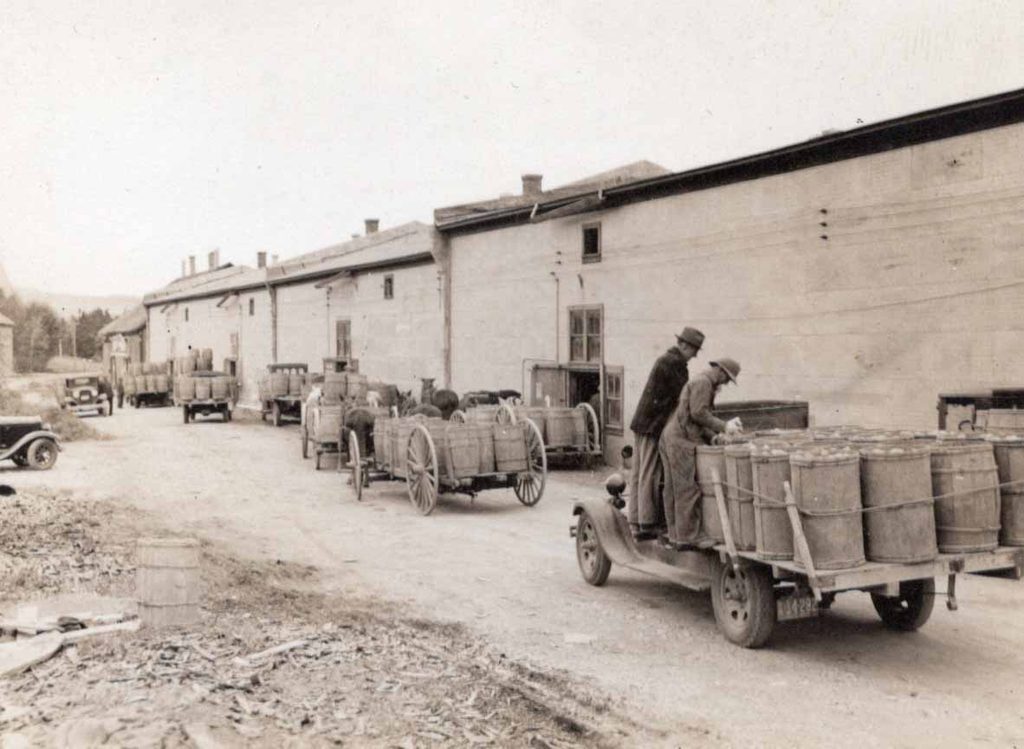
For decades, wages were tied to the number of barrels a worker could fill. Children and teenagers earned money for each barrel they picked. Common wages ranged from 25 cents to 50 cents per barrel, and skilled pickers could fill 50 to 100 barrels a day.
Workers often remembered their “best day” and which farmers paid the most.
A Day in the Harvest Fields
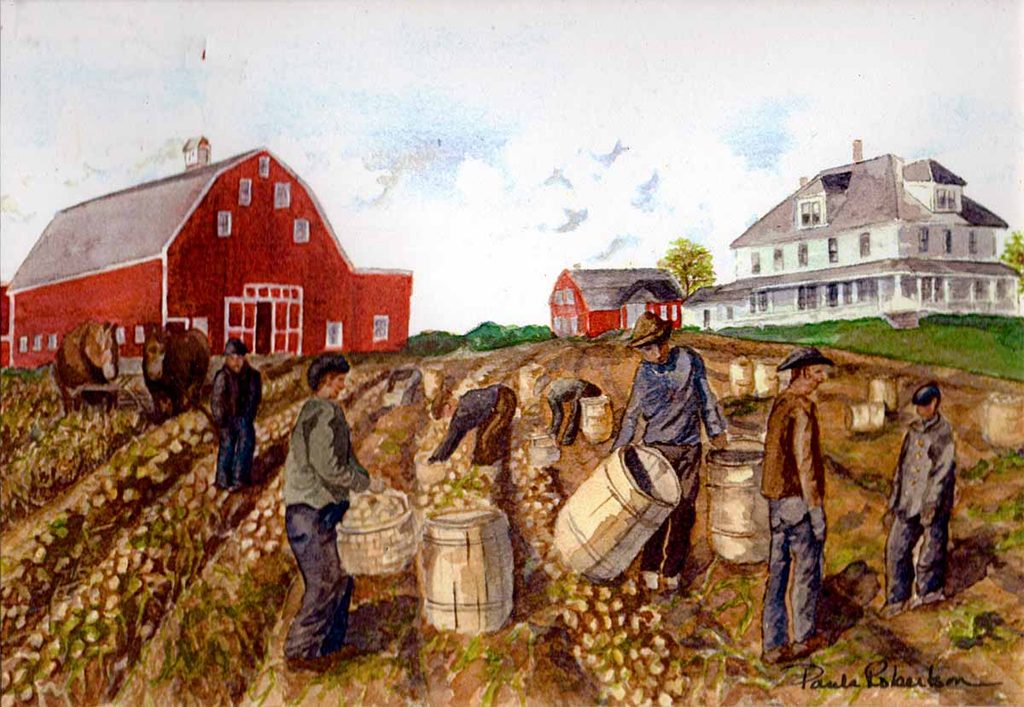
Harvest typically began in late September. Workers arrived at the fields early in the morning, often before sunrise, and continued until late afternoon or dusk.
The smell of turned soil and diesel from tractors filled the air, marking the intensity of the season.
Harvesting was a community event. Entire families worked together, with neighbors helping neighbors. Harvest wages helped buy winter clothes. Teenagers saved money for school supplies or personal purchases, and some families relied on harvest income to supplement their farm earnings.
Memories That Last Generations
Even today, breakfast conversations in local diners still revolve around memories of the potato harvest: how many barrels someone could pick, which farmer they worked for, and what they bought with their harvest money.
Harvest season shaped the identity of Aroostook County. It was a rite of passage, reinforced community ties, and created a collective memory that will never be forgotten.
The Potato Picker (author unknown)
Their blossoms have faded,
Green foliage turned brown.
“The potatoes are dead,”
Noted a visitor to town.
In July they were beautiful,
Now they’re gone by.
But that field holds much life
For a farm boy’s eye.
Country children are wiser,
They are rich in farm love.
They will help collect the treasure
When school closes once more.
They saw the small baskets
Their father brought home.
The tiny gloves Mom bought
Are their very own.
The community unites
Until the harvest is done.
Give support to the farmer,
His job is a big one.
School closes for the season,
Books are put on hold.
Teachers become truck drivers,
To students potatoes are gold.
The crew arrives with lunches,
Enthusiasm abounds.
The digger starts at daybreak,
Spuds appear on the ground.
Dad the farmer bids them welcome.
“Glad you’re back. Here’s your tickets.”
He paces off their section.
“Is this too much, or can you pick it?”
Their school chums pick beside them,
And so the race begins.
Barrels fill by the dozen,
They are tired when day ends.
Grampy drives the digger.
“Get busy,” he grins as he moves past.
We love him dearly.
Why must he drive so fast?
“Let’s slow that digger down.”
Rocks are placed upon the row.
The driver slows on his next trip.
“Who did this?” He’ll never know.
Not a picker raised their head,
They are working much too hard.
Inward humor spurs them on,
Revenge is sweet; but be on guard!
Trucks rumble onto the field,
Changing barrels is their game.
“Throw me an empty”
Is a familiar refrain.
This is not child labor,
They’re combining work and fun.
With their friends, they all feel helpful,
Character blocks building, one by one.
Saturday is payday,
They all gather around.
Proud faces are smiling,
Self-esteem is their crown.
A rainy day for shopping
Is what they hope for now!
New clothes for school—maybe a bike,
And the reward for their labor—Wow!
Experience gained on the farm is dear,
Becomes tightly sealed in one’s soul.
Unwittingly released in a future year,
Those days were special,
Those days were gold!